EGHS Conference 2026 Concludes in Dubai with Recommendations to Advance Gastroenterology and Hepatology Care
- Views: 1

More than 800 Physicians, Specialists and Healthcare Professionals Participate in the Three-Day Conference
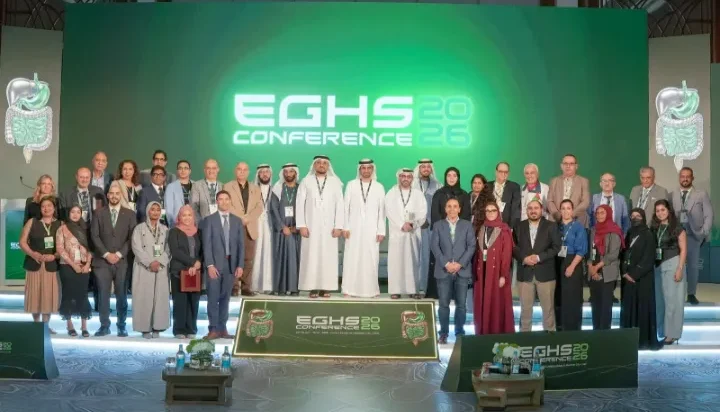
The Emirates Gastroenterology & Hepatology Society (EGHS) Conference 2026 concluded yesterday, Sunday, at Hilton Dubai Al Habtoor City, following three days of scientific discussions, specialised sessions and practical workshops. The conference brought together more than 800 physicians, specialists, healthcare professionals and experts from the UAE, GCC countries and around the world to exchange knowledge, explore the latest advances in gastroenterology and hepatology, and discuss ways to enhance clinical practice and improve patient care
The conference was inaugurated by Sheikha Dr Noura Al Qassimi, President of the Emirates Medical Association (EMA), in the presence of leading experts and specialists. Ahead of the main conference programme, a series of specialised workshops were held on Friday, 20 November, focusing on developing practical skills and facilitating knowledge exchange in gastroenterology, hepatology and endoscopy.
The conference addressed the latest developments in the diagnosis and treatment of gastrointestinal and liver diseases, culminating in a series of scientific recommendations aimed at strengthening early diagnosis, advancing treatment approaches and enhancing the capabilities of healthcare professionals
Dr Abdulla Al Hassani, President of the Emirates Gastroenterology & Hepatology Society (EGHS), said the success of the conference reflects the UAE’s position as a destination for specialised medical conferences and its ability to bring together scientific and practical expertise from around the world on a platform that facilitates knowledge exchange and addresses the challenges facing medical specialities.
He added that the strong participation, diverse scientific programme and practical workshops contributed to achieving the conference’s objectives, providing opportunities to explore the latest developments in the diagnosis and treatment of gastrointestinal and liver diseases. He noted that the importance of such gatherings extends beyond scientific discussions, helping translate medical advances into improved clinical practices and higher standards of patient care
Recommendations to Advance Diagnosis and Treatment
The conference concluded with a series of scientific recommendations focusing on strengthening the early diagnosis of gastrointestinal and liver diseases, developing integrated treatment pathways for patients with inflammatory bowel disease, and expanding the application of advanced endoscopic techniques. These include endoscopic ultrasound, endoscopic resection, bleeding management and advanced therapeutic interventions in gastroenterology and hepatology
The recommendations also highlighted the importance of continued training for physicians in modern therapeutic techniques through practical workshops, promoting evidence-based clinical practices informed by the latest research, and strengthening collaboration between gastroenterologists, hepatologists, surgeons, radiologists and related specialists. Such multidisciplinary cooperation supports more accurate diagnoses and helps ensure the selection of appropriate treatment approaches for individual patients
It also emphasised the importance of raising awareness about preventing diabetes-related complications, particularly those affecting the gastrointestinal system and liver, through early detection, regular medical follow-up and the adoption of healthy lifestyle practices. It further highlighted the importance of adhering to recommended preventive vaccinations in accordance with approved medical guidelines to reduce the risk of infections and complications among patients, particularly those in higher-risk groups.
Further priorities included enhancing attention to paediatric gastrointestinal diseases, gastrointestinal motility and functional disorders, and improving approaches to managing complex cases. The recommendations also called for greater exchange of expertise among medical institutions in the UAE, the region and internationally, supporting the development of healthcare professionals’ capabilities and improvements in the quality of care and patient outcomes
Scientific Programme and Practical Training
These recommendations were informed by the conference’s scientific programme, which covered a wide range of specialised topics, including inflammatory bowel disease, liver diseases, gastrointestinal motility and functional disorders, advanced endoscopic techniques, and the latest developments in the diagnosis and treatment of gastrointestinal conditions
The conference attracted experts and specialists from medical institutions, universities and research centres in the UAE, Saudi Arabia, Oman, Kuwait, India, the United States and Türkiye. Their participation provided opportunities to discuss clinical challenges, exchange scientific knowledge, explore the latest medical research and technologies, and strengthen collaboration among healthcare institutions and specialists.
The programme also included practical workshops and specialised training sessions on advanced therapeutic endoscopy techniques, including endoscopic ultrasound, gastrointestinal lesion resection, bleeding control, and the endoscopic removal of tumours and polyps. These sessions provided healthcare professionals with opportunities to develop their practical skills and gain experience in the application of modern medical techniques
The conference forms part of EGHS’s ongoing efforts to advance medical education and scientific research, develop specialised clinical practices and strengthen collaboration among healthcare professionals and institutions, supporting the continued development of the healthcare sector in the UAE
The conference is organised by Wiredin Events, a UAE-based company specialising in medical, scientific and corporate conferences across the UAE and regional markets
You Might Like